
Finding a supplier at the right price is the easy part. What decides whether the account survives is whether the supplier can still deliver a number once it starts selling — with a date you can plan around.
You buy a batch of 12V passenger-car alternators. Three or four numbers move well and reorders arrive. Two months later you ask for replenishment: some numbers are out, others have a new lead time, and the ten-number order cannot ship together as agreed.
The problem is no longer a late delivery. You are re-planning stock, explaining dates and quietly looking for a second source. One clean shipment proves an order was fulfilled; repeatable supply is what keeps a business steady.
In short
Judge a supplier on four things — stock transparency, lead-time definition, shortfall handling and records after the order. A price is a one-off number; the ability to repeat it is what keeps a catalogue selling.
Key points
- Judge a supplier on four things: stock transparency, lead-time definition, shortfall handling and records after the order.
- Stock units and custom units run on two different clocks — 1–3 days versus 15–45 days.
- A four-step replenishment routine on your side prevents most emergency buying.
- Six questions before the first order expose more than any brochure.
1. Why repeat supply matters more than the first order
A stockout on a fast mover is not one lost sale
An automotive alternator range spans hundreds of OE numbers, trim levels and specifications; no supplier holds every one.
When a fast mover disappears you either delay the customer or buy elsewhere, re-checking data, price, quality and lead time under pressure. If your customer is a car auto parts store or a regional auto parts outlet, they re-source within the week — and some keep buying elsewhere after you restock. A BMW wholesale parts buyer and a price-led importer ask different questions about the same shortage, but both remember it.
So "Do you have stock?" is the wrong question. The useful version is: which numbers are regular stock, how many are available now, and what happens when they run low.
A multi-SKU order breaks on one missing line
Ten OE numbers, ten units each. The order is confirmed, then three numbers slip. Do you wait for the full set or ship what is ready? Waiting costs sales; splitting costs freight. Either way, one purchase order turns into several rounds of coordination that nobody budgeted for.
Confirm every line — model, quantity, stock status, expected date — and agree the split rule before the order is placed. A confirmed total quantity does not mean ten lines are ready.
The next batch has to match the last one
Repeat supply also means the next batch is the same product.
The trap is specific: one OE number can carry different pulleys — fixed multi-groove, OAP overrunning clutch — and flange holes or connectors can differ. Two units that look alike are not interchangeable. Labels and packaging matter too: an unannounced change costs your warehouse and your reseller a verification each.
A new batch is not the problem; an unannounced change is. Keep a record per number, confirm specifications, labels and packaging in advance, and require notice before shipment.
2. Four tests of continuing supply
Most auto part suppliers answer a stock question with a single number. These four tests tell you whether that number means anything.
Test 1: Is stock information specific?
A usable answer names the numbers in stock, the quantity on each, which lines need replenishment, and whether availability can shift before confirmation.
Stock moves with every order, so "in stock at quotation" is not a promise for next week. For an important order, ask whether the quantity can be locked, on what conditions and for how long. If you run an online parts warehouse, this matters twice: your listing says available and your customer is checking.

Test 2: Is the lead time defined?
"Soon" cannot go into a purchasing plan. You need the start date — after payment, or after order details are confirmed — the preparation or production time, the expected dispatch date, and how a change will be communicated.
Our standard terms: stock orders dispatch 1–3 days after payment and order confirmation; custom orders run 15–45 days depending on requirement, quantity and schedule. These are norms, not blanket commitments — the date is confirmed per number. Knowing a date can move beats an optimistic promise: a late shipment with late information is two problems.
Test 3: What happens when a number is short?
Every supplier runs short eventually. The question is the procedure: can they say which numbers are short, when they expect them, and offer split shipment, a revised date or another option?
A substitute means the cross-reference must be re-verified — pulley type, connector, flange holes — because a similar housing is not a fitment. A stable relationship is not one without surprises; it is one where surprises arrive with enough information to decide. The verification itself is set out in OE number and cross-reference verification.
Test 4: Are there records after the order?
Repeat buying depends on records: order history, product requirements, packaging and label instructions, logistics follow-up and after-sales handling.
On a reorder, can they pull the previous requirement? Is the label and packaging instruction on file? If a discrepancy or defect appears, can they check it against the order? Small things decide how much time a reorder costs.
Supplier readiness checklist
- Stocks listed number by number, with quantities.
- Replenishment and custom lines flagged, with expected timing.
- MOQ and trial-order policy stated.
- Stock can be locked on key orders, with conditions and validity.
- Lead time has a defined start point.
- Changes are notified proactively, not on request.
- A shortfall procedure exists: split, reschedule or substitute.
- Substitutions trigger a fresh cross-reference and fitment check.
- Labels, packaging and brand requirements archived per order.
- Previous requirements retrievable on reorder.
- Warranty and defect handling documented.
3. Stock units and custom units run on two clocks
If you buy both branded stock and custom unbranded units — or carry both starter and alternator lines — plan them separately.
| Stock units | Custom units | |
|---|---|---|
| Supply basis | From existing inventory | Produced or prepared to order |
| Typical lead time | Dispatch in 1–3 days | 15–45 days |
| Watch | Quantity, stock movement, dispatch date | Specification, quantity, production slot, labels |
| Buying rhythm | Check stock on a fixed cycle | Plan backwards from the sell-out date |
| MOQ | Depends on the number in stock | Depends on the requirement; confirmed per order |
Our own terms, as an example: 2 units minimum per OE number on stock items, generally 10 units on custom items, with more than 10,000 units held in stock so most numbers ship directly.
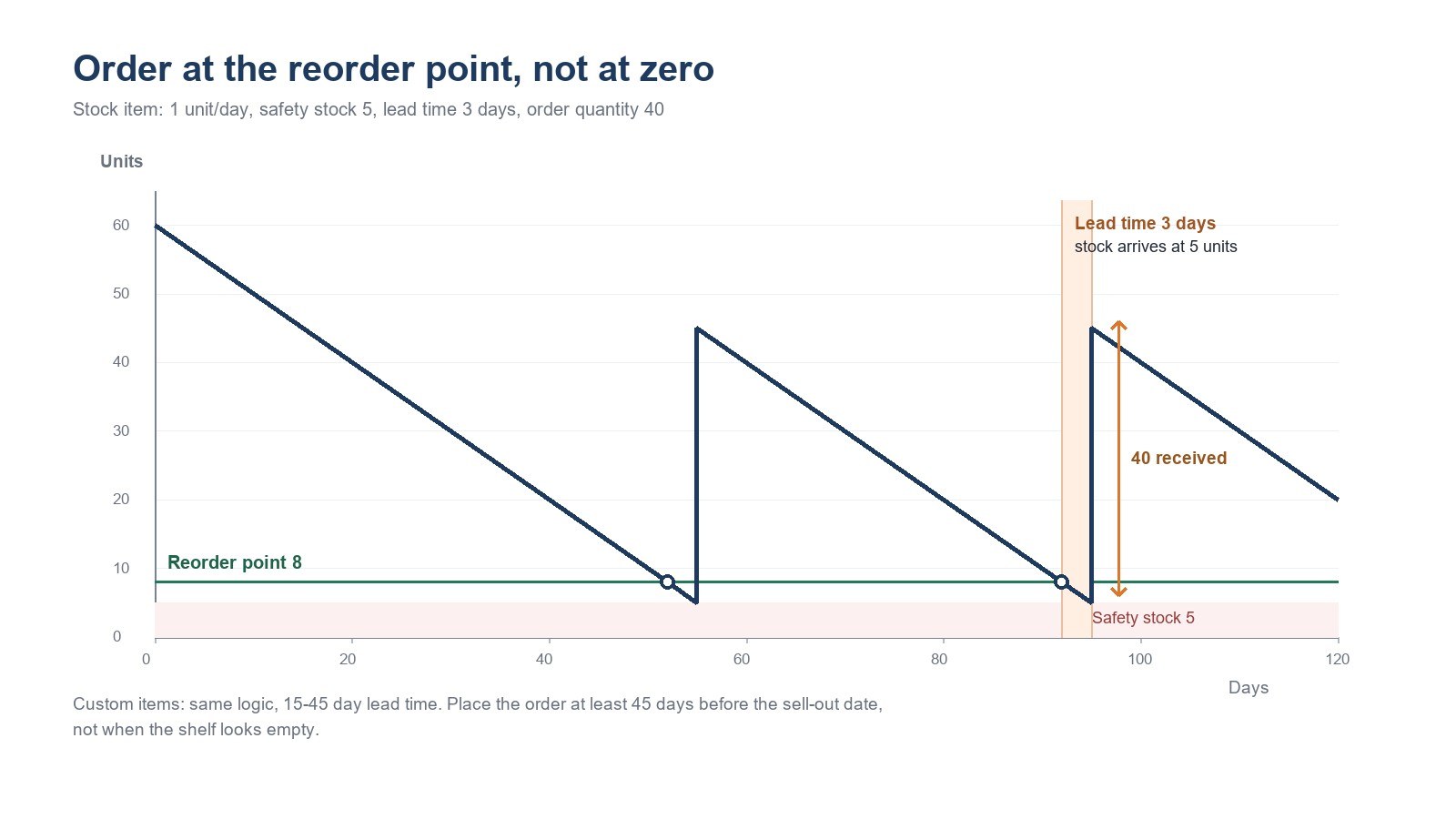
How to use the table: split your range in two. For stock numbers, fix a weekly stock check. For custom numbers, work backwards — take the expected sell-out date and subtract 45 days; that is your latest order date.

4. A four-step replenishment routine on your side
Supplier capability is half of it; your planning is the other half.
Step 1 — Build a core SKU list. Record OE number, actual sales, stock on hand and purchase frequency. Let sales history identify the fast movers instead of instinct; which 12V alternators to stock covers how to build that list and where the cut-off sits.
Step 2 — Rank by replenishment priority. Stable sellers get a fixed stock check; slow movers are bought against demand; custom items carry production time in the plan.
Step 3 — Confirm early. When stock approaches the trigger, verify available quantity, expected date and whether a multi-number order can ship together.
Step 4 — Record supplier performance. Track actual lead times, shortfall handling, data consistency and after-sales response. After a few months you can see which supplier suits routine replenishment and whether a backup channel is justified.
Purchase cost is not only the unit price: emergency buying, extra freight and repeated coordination consume operating capacity.
5. Six questions before the first order
- Which OE numbers are in stock now, and how many units of each?
- Can the quantity be locked between quotation and order, on what conditions and for how long?
- When does the lead time start — payment, or order confirmation?
- If part of a multi-SKU order is short, what happens? Split shipment or wait, and who pays what?
- If a substitute is offered, how will the cross-reference and fitment be verified?
- On a reorder, are labels, packaging and specifications on file?
How clearly a supplier answers these is the most direct test of supply capability you will get before spending money. Buyers who found the supplier through an auto parts store online listing, or while comparing the best online auto parts store offers, should ask in writing; answers rarely survive copy-paste.
Supply is still only half the file. A unit that can be delivered on time can still arrive at the wrong cost, so run the quote through landed cost before you compare quotes — freight, duty, clearance and after-sales headroom change which supplier is actually cheaper.
6. What we can check for you
We supply Valeo, SEG and JHAEM 12V passenger-car alternators — JHAEM as an authorised OEM brand — plus custom unbranded units with your labels and packaging.
Coverage spans European and Asian platforms: BMW parts and BMW OEM parts numbers, VW parts and VW factory parts references, Toyota parts, Toyota OEM parts and Toyota factory parts references, Hyundai parts and factory Hyundai parts records — plus the Ford and Honda applications behind most Honda parts online and Ford OEM parts online searches. Valeo and SEG ranges also include 48V hybrid units, which run on a different 48V hybrid alternator sourcing cycle and are quoted separately.
More than 10,000 units are held in stock and most numbers ship directly. Terms up front: 2 units minimum per OE number on stock items, generally 10 on custom; a line-by-line reply within 1–2 business days (Beijing time); dispatch in 1–3 days on stock orders and 15–45 days on custom.
Send the OE numbers you buy regularly, with expected quantities and frequency. We will check stock and lead time line by line; for regular numbers we can plan replenishment around your cycle. We will not promise every number is always available — verifying the ones you need beats a blanket assurance.
7. FAQ
The quote said in stock — why is it short after ordering?
Stock changes between quotation and order, and other buyers draw on the same batch. On important orders, confirm a stock lock when ordering, with conditions and expiry; if a lock is not possible, reconfirm availability that day.
Split the shipment or wait for the full order?
Two numbers decide it: how long the short line needs, and what extra freight costs. If it is more than 2–3 weeks away and the rest are fast movers, ship what is ready; if it is a few days, waiting saves a freight bill. What you need is a date, not "soon".
Why do custom alternators take 15–45 days?
Custom orders are produced to your requirement — specification confirmation, material preparation, scheduling, labelling and packing. Forty-five days reflects a complex requirement or a larger quantity. If your plan is tight, order at least 45 days before the expected sell-out date.
How do we keep a reorder identical to the last batch?
Reference the earlier order in writing ("same requirements as order XX"), confirm the supplier has kept the label, packaging and key specification records, and spot-check pulley type, connector and electrical parameters on arrival. Consistency needs records on both sides.
What is the minimum order, and can we trial first?
Yes. Stock items start at 2 units per OE number, which is enough to check fitment, quality and packaging before scaling; several numbers can be combined in one trial order at 2 units each. Custom items, including labels or brand marking, generally start at 10 units.
8. Closing
A supplier's value is not only the price on the quotation. It is whether stock is transparent, lead times are defined, product data stays consistent, and a shortage arrives with a plan.
One order solves today; repeatable supply solves the business. The supplier worth keeping may not be the cheapest, but you should always know which numbers you can buy, when they ship, what happens when they are short, and what to prepare next time.
Related parts
Units from our range. Send an OE number and we will check fitment before quoting.
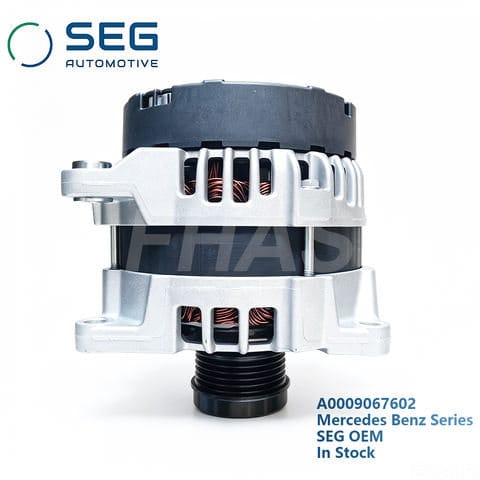 SEG Alternator 12V for Mercedes-Benz B200 W246 — 443394 / 20741N
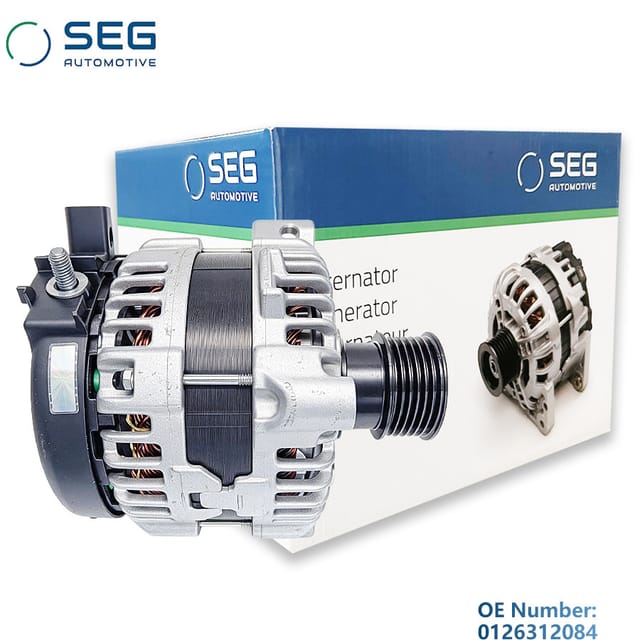 SEG Alternator 12V for BMW 316I Repair (0126312084)
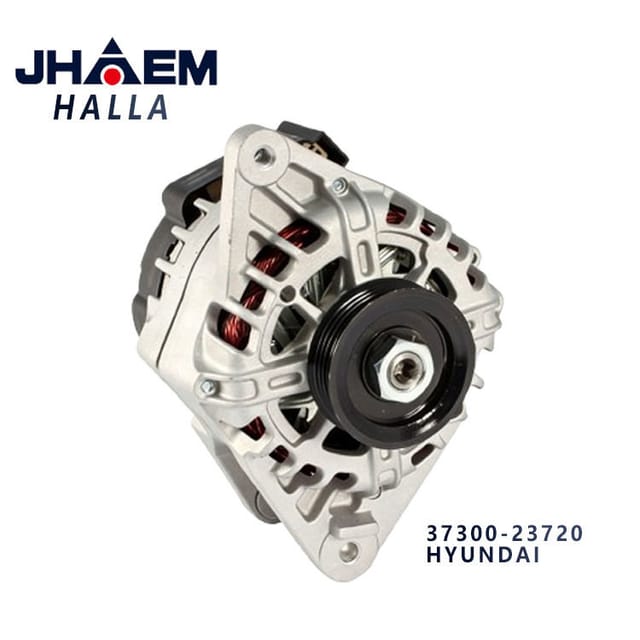 JHAEM Alternator 12V 90A for Hyundai / Kia
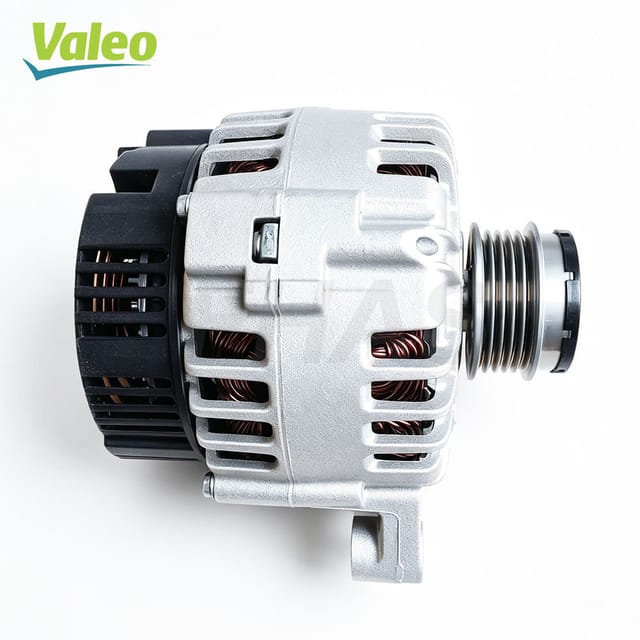 Valeo Alternator 12V 140A for Volkswagen Passat Lingyu (06B903019H)
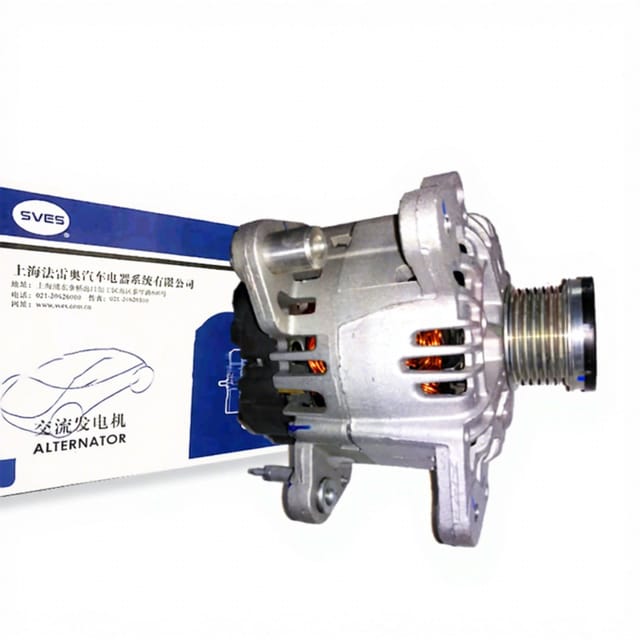 Valeo Alternator 12V for VW / Audi (03C903023G)
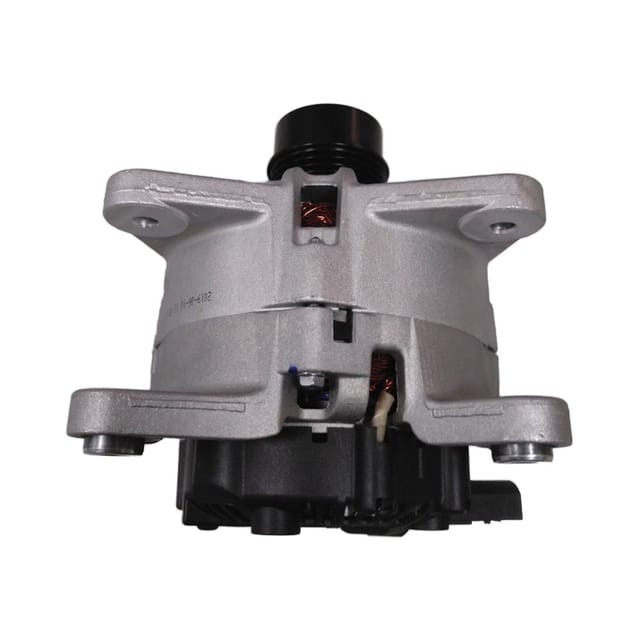 Alternator 12V 120A for Nissan Sylphy B18Z (SVES082754)
Have a part number to price?
Send it over with the quantity and destination. You will get a fitment check, a unit price and a freight cost — usually the same business day.